
How to Do Customer Analysis with Artificial Intelligence
What AI customer analysis is, which data sources it uses, which tools apply it, and how the resulting insight changes digital marketing decisions.
Contents
Customer analysis with artificial intelligence is the use of AI and automation systems to analyze consumer behavior, spending patterns and demographic data. It lets businesses gather and make sense of large volumes of customer data, so marketing decisions rest on insight drawn from that data rather than on assumptions.
Whether you run a local company in Antalya or manage an international brand, AI-derived customer insight can make your marketing strategy more precise.

What is customer analysis with artificial intelligence?
Customer analysis with artificial intelligence means applying AI and automation systems to consumer behavior, spending patterns, demographics and similar factors. What separates it from conventional analysis is that it keeps learning from new data and reveals behavioral patterns that manual review easily misses.
Businesses build this analysis by combining sources such as website interaction, social media usage, advertising performance, CRM records and purchase history. That makes it possible to construct fuller customer profiles, personalize the experience and work systematically on the conversion rate.
In competitive markets — Antalya among them — this kind of analysis has become an integral part of digital marketing strategy.
Why does AI-powered customer analysis matter?
AI-powered analysis shows organizations not only who their customers are but also what drives them to buy. It makes customer intent visible, produces forecasts about future behavior, and points to campaign opportunities.
The practical consequence is budget allocation. Instead of spending indiscriminately across a broad audience, organizations can concentrate on the more profitable customer segments and keep costs under control. The same analysis also makes it possible to personalize the experience at each touchpoint.
How does it improve digital marketing?
The clearest benefit of AI-powered customer analysis is that it feeds every digital marketing process. By analyzing campaign efficiency, audience behavior and the conversion path, it surfaces the specific points where improvement is possible.
That knowledge of customer preference is used directly to:
- Build personalized email campaigns
- Optimize Meta ads and Google ads
- Shape SEO strategy around real search behavior
- Prioritize topics and formats for content marketing
AI also predicts which product or service groups a customer is likely to be interested in, which makes the question of where to concentrate budget easier to answer.
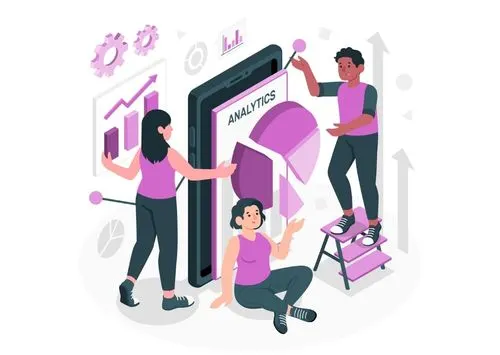
Which AI tools are used for customer analysis?
Many platforms now make customer analysis considerably easier. Commonly used options include Google Analytics 4 with predictive analytics, ChatGPT for analyzing customer communications, Google Gemini for content analysis, along with HubSpot AI, Salesforce Einstein, Microsoft Copilot and the Meta Advantage+ advertising platform.
These tools make it possible to study customer communication patterns across channels, estimate customer lifetime value and work on marketing efficiency. Which one fits depends on the business needs and marketing goals; there is no single correct stack.
How do local businesses benefit?
Local business owners often assume AI technology is only relevant to large organizations. In practice, this analysis lets local businesses examine seasonality, tourist behavior, regional buying habits and location-specific search queries.
From restaurants to dental clinics, hotels, real estate firms and online shops, all of these business types can use the same tools to segment customers and anticipate their behavior. That makes it easier to identify which customer groups contribute the most value and to distribute the marketing budget accordingly.
Where is customer analysis heading?
As artificial intelligence develops, customer analysis is shifting from reactive to predictive: needs are anticipated before they surface, and marketing automation adjusts decisions in real time.
This moves digital marketing away from intuition and toward measurable practice. AI does not produce results on its own; combined with a properly built measurement setup, it does noticeably improve how well marketing decisions are targeted.
If you want to understand your customers better and ground your marketing work in data, you can reach us through our contact page to discuss the scope of the work.
Published: · Updated: · Author: Moon Workshop
Frequently Asked Questions
Which data sources does AI customer analysis use?
How is it different from conventional customer analysis?
Can small and local businesses use this approach?
Which tools are commonly used for customer analysis?
Related Articles
- Artificial Intelligence6 min read
Where AI Actually Helps in Digital Marketing — and Where It Does Not
An honest assessment of AI in digital marketing: which tasks it genuinely accelerates, which it quietly degrades, and how to decide where to apply it.
- Artificial Intelligence3 min read
The New Era of Digital Advertising in 2026: AI, Data and Performance
In 2026 digital advertising is reshaped by artificial intelligence, intent-driven SEO and data-based customer management. The key shifts explained.
- Artificial Intelligence4 min read
What Is AI-Powered Content Creation? How Is It Done?
How generative AI produces text, visuals and social media content, how it supports SEO-compatible writing, and which tools teams use at each stage.