
What Is a Search Engine? How Does It Work?
A search engine is a database system that ranks the pages most relevant to a query. How crawling, indexing, ranking and personalisation actually work.
Contents
- How do search engines make money?
- How do search engines build their indexes?
- How do search engines rank pages?
- What are search algorithms?
- What are Google’s ranking factors?
- Backlinks
- Relevance
- Freshness: what makes new content different
- Page speed
- Why does mobile compatibility matter?
- How do search engines personalise results?
- Location
- Language
- Search history
A search engine is a database system where users can reach links published on the web. In practice it is not very different from looking up a definition in an encyclopaedia; you can also think of it as a digital library organised into indexes. A user types a query, and the search engine returns the content it considers most relevant to that query.
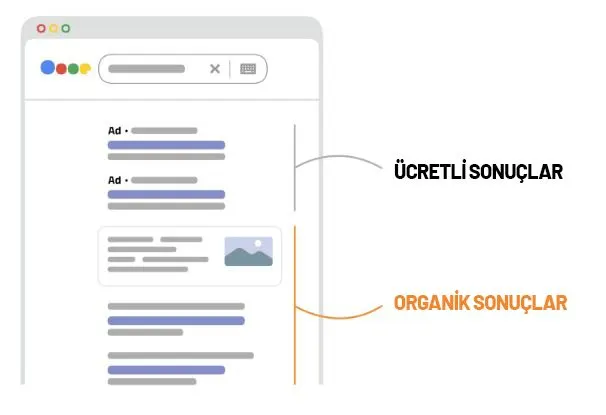
At the top of the results page you usually meet advertisements; further down you reach the pages that rank organically. Understanding how these two areas are formed is also the first step towards understanding what SEO is.
How do search engines make money?
Search engines show advertisements to users at the top of the query results. When you click one of those ads, certain algorithms run and the advertiser is charged a fee. The more clicks there are, the more the advertiser pays and the more the search engine earns. Search engine revenue does not come only from ranking; it is also generated from other areas.

How do search engines build their indexes?
URLs created on websites are discovered by Google after certain methods and stages. This is how indexes are formed.
Catching a page happens through a sequence of operations that follows a specific order. Thanks to backlinks, your page can be discovered and the URL can be added to the index.
From the moment you set up your website you should create a sitemap and configure it correctly. In the sitemap you list the pages you consider important and present them to the search engine.
For URLs that cannot be crawled, Google offers an area in Google Search Console where users can inspect them and request crawling and indexing.
Google sends crawl spiders to check whether there has been a change or an update on a website. The spiders find new URLs, but they also decide whether those URLs are good enough to be added to the index. If the URL and the content work smoothly and there is no technical problem on the site, the page is indexed.
After these steps, Google runs an analysis detailed enough to consider how the link appears to a user. Nobody but Google itself knows exactly how those calculations and valuations are made.
Indexing is the point where information processed from crawled pages is added to the search index. To be found by web users you need to be present in the indexes; being in the Bing, Yandex and Google indexes is what makes your site visible in the first place.
Did you know? Google holds over 90 percent of search engine market share.

How do search engines rank pages?
Getting your content viewed or added to the index is not actually the most complicated part. The harder question is where your content deserves to rank. Even with an authoritative site, content that lacks value makes ranking difficult.
This is exactly where Google’s algorithms, which perform that calculation and analysis, come into play.

What are search algorithms?
We are talking about a system that shapes the ranking a piece of content deserves using dozens of different factors. It is not a single rule but a set of rules working together.
What are Google’s ranking factors?
We know some of Google’s fundamental factors. Google does not disclose all of them. The main purpose here is to stop people from ranking through manipulative practices. So we understand as much as Google wants us to understand.
Backlinks
Backlinks are the referral links made from one website to another. Although Google does not state it outright, we can say they are among the strongest determinants of ranking. If you want to show Google that your organic traffic is growing and that your pages are more valuable, you should build backlinks.
The quality of the linking pages also makes a difference. A handful of valuable links can return more than thousands of worthless ones.
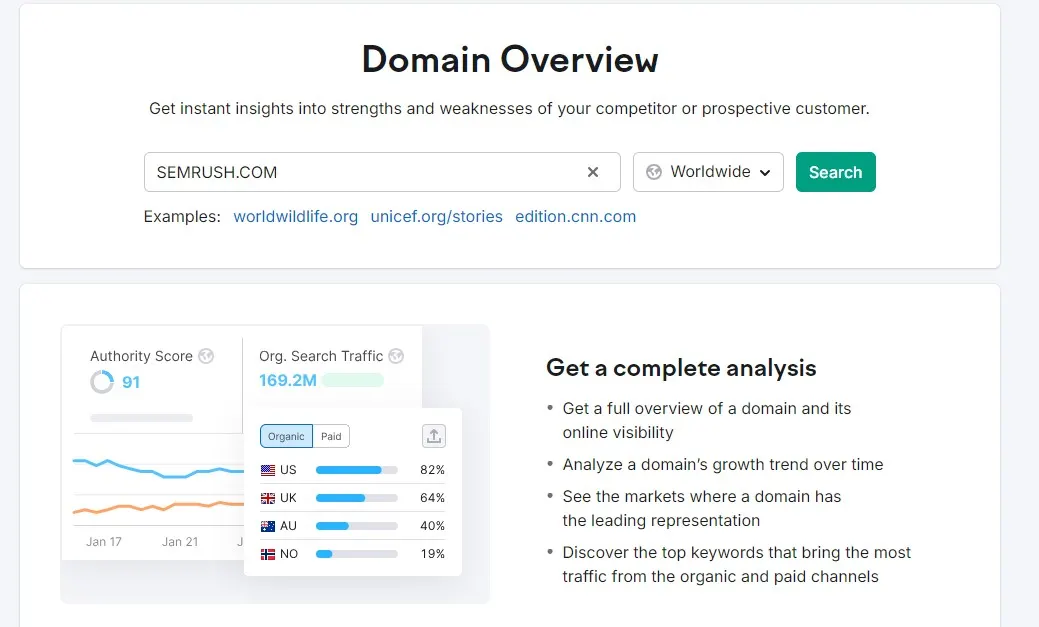
Did you know? Search engine optimisation tools such as Semrush, Ahrefs and Moz let you view the backlinks you already have. By entering your site address in their backlink tabs you can reach your existing links easily.
Relevance
Relevance is the list where the closest results to the searched term are ranked. At this point Google scans your website for keywords with a high level of relevance. Alongside that, how far you develop the subject in the content and how useful your page is also determine the ranking.
Freshness: what makes new content different
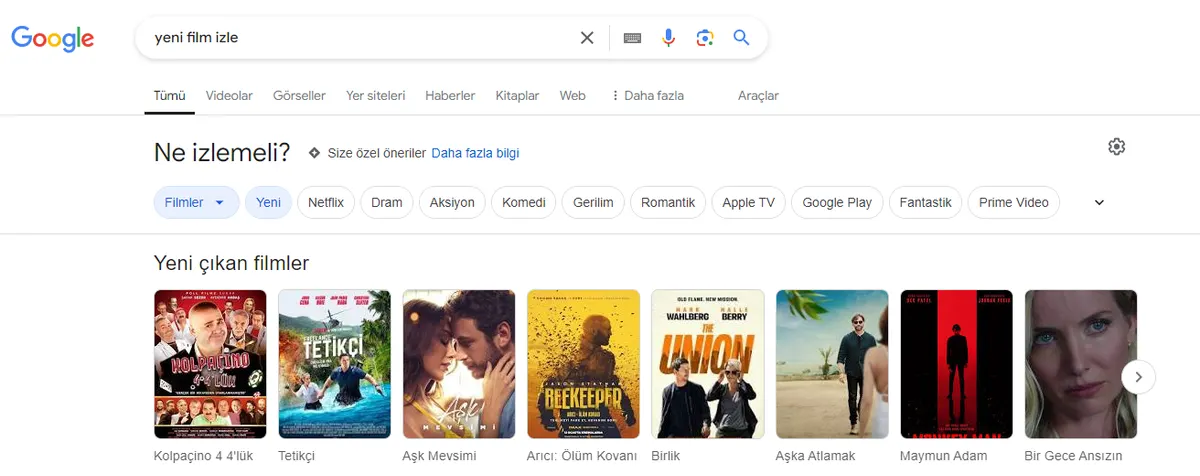
Freshness is governed by an algorithm that affects your ranking. Year values entered in a title, or searches such as “new season” and “new episode” for a TV series, are typical examples. New content can also feel more alive simply because the subject is current.
Page speed
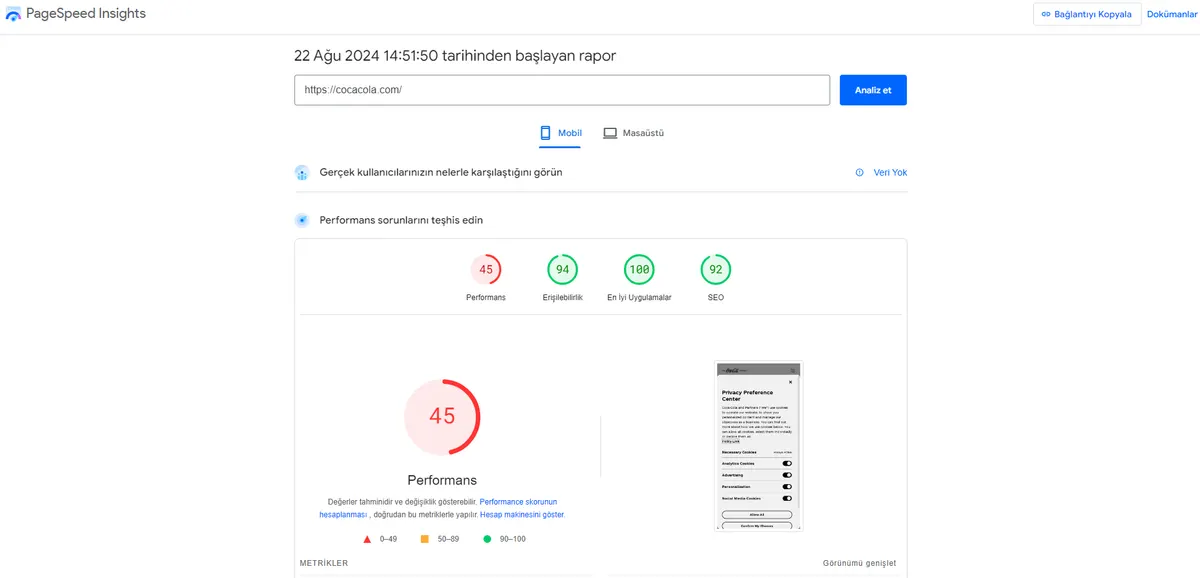
Pages that open slowly are a sign that your site needs maintenance. Google may even give up on indexing a page it believes damages the user experience. Until the problems on the page are resolved, indexing stays difficult.
People are impatient when they land on a website and will leave quickly if it does not open.
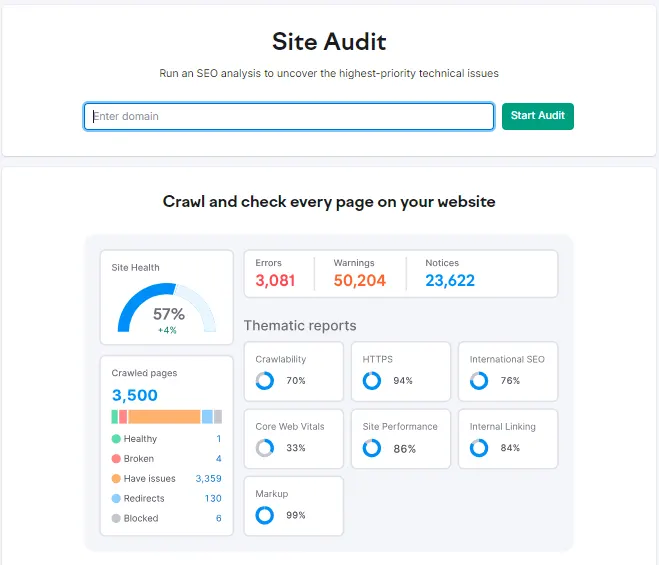
Did you know? Google PageSpeed Insights lets you see the source of slowness and other problems on your pages. Free Semrush Audit and free Ahrefs Webmaster Tools accounts also let you review errors and health score reports for your site.
Why does mobile compatibility matter?
Google clearly prioritised mobile compatibility back in 2019. By 2024 it also stated that content on websites that are not mobile compatible may face indexing and ranking problems. The weight of tablet and mobile usage among users has made mobile compatibility mandatory for websites. This is why technical foundations are one of the first topics in SEO and GEO consulting work.

How do search engines personalise results?
Your search history, your location and your data are used by search engines to give you a more efficient experience. Over time, the terms you search for surface the results closest to your personal preferences.
Location
Google uses your location within a system that offers you the most suitable options in your local area. This is how searches such as “fishmonger”, “greengrocer” or “plumber” can prioritise nearby businesses.
Language
Showing German content to an English-speaking user benefits neither the search engine nor the user. That is why the language you have selected on your phone and in your browser also shapes how search engines respond to you.
Search history
Your history and the addresses you have visited are recorded as well. This is what allows personalised search results to be produced for you.
Published: · Updated: · Author: Moon Workshop
Frequently Asked Questions
What is the difference between a search engine and an index?
Why is my page not being indexed?
How do search engines make money?
Why do search results differ from person to person?
Related Articles
- SEO & GEO7 min read
What Is GEO? A Guide to Generative Engine Optimization
GEO is the practice of making content citable inside AI answers. How generative engine optimization differs from SEO and how to measure it.
- SEO & GEO3 min read
How to Get Visibility Without Traffic in the Zero Click Era
Users now get answers on the results page itself. How featured snippets, local SEO and clear content build brand visibility without a single click.
- SEO & GEO7 min read
Technical SEO Checklist: From Core Web Vitals to Indexing
A working technical SEO checklist covering crawling, indexing, Core Web Vitals, structured data and internationalization — with the order to fix things in.