
Why Is SEO Management Important in E-commerce?
SEO management in e-commerce builds organic traffic, strengthens brand trust and reduces dependence on ad budget. What it contributes and where to start.
Contents
SEO management in e-commerce is the body of work that lets you reach your target audience directly, stay visible to potential customers and stand out from competitors. A successful SEO strategy allows your website to rank higher in search engines, grows organic traffic and therefore supports sales. That is why you need comprehensive SEO management to increase the visibility of your store.
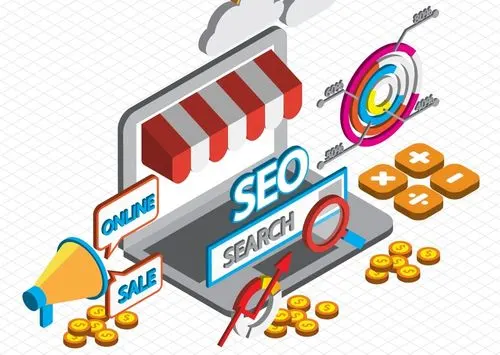
What does SEO contribute to e-commerce?
You gain an increase in organic traffic
For product and service sellers who want to succeed in e-commerce, SEO management first delivers growth in organic traffic. The better your site is optimised, the higher your chances of being displayed near the top in Google and other search engines. The site therefore earns organic traffic and becomes less dependent on the advertising budget. That is important both for reducing costs and for providing sustainable traffic.
Your brand credibility increases
Ranking near the top of search results makes users regard you as more trustworthy. Having your e-commerce site rank well and be built in a search-friendly way helps searchers trust your brand. This matters, because as trust grows so does customer loyalty, which benefits the business over the long run.
The user experience improves
Doing SEO management regularly is important not only for search engines but also for improving the user experience. A site that runs fast and works well on mobile devices improves that experience directly.
You can compete with your competitors
In a period when competition in e-commerce is extremely intense, SEO management helps you stand out. With effective SEO work you can gain an advantage on keywords competitors have not yet discovered and draw potential customers to your site.
You can measure performance
Another advantage of SEO management is that performance can be measured. With Google Analytics and other analytics tools you can follow which keywords bring more traffic, how users behave and what your conversion rates look like. This data points to the path to follow next.

Which areas does e-commerce SEO work cover?
Keyword research. SEO management starts with proper keyword research. By identifying the terms users search to find your products, you can optimise your content around them.
Title tags and meta descriptions. These fields convey page content clearly to both search engines and users. Preparing effective title tags and compelling meta descriptions for product pages helps raise click-through rates in search results.
Product page content. What is on a product page directly affects purchasing decisions. Product titles and descriptions should be original, keyword-focused and shaped around user needs.
Image optimisation. High-quality, fast-loading and correctly tagged images improve the user experience and are evaluated positively by search engines.
User experience and technical structure. Mobile compatibility, fast loading and an easily navigable site structure all matter for SEO. You should adopt a user-oriented approach when building your SEO strategy.
Conclusion
SEO in e-commerce is not a one-off intervention; it is continuous work in which keyword research, content, technical structure and measurement run together. Moon Workshop handles these areas within a single roadmap as part of its SEO and GEO consulting service.
Published: · Updated: · Author: Moon Workshop
Frequently Asked Questions
What does SEO management deliver in e-commerce?
Where does SEO management start?
Why does product page content matter so much?
How is SEO performance measured?
Related Articles
- E-Commerce3 min read
E-commerce Marketing: Ways to Boost Your Online Sales
E-commerce marketing runs audience analysis, SEO, digital advertising and user experience together. The practical ways to grow your online sales.
- E-Commerce5 min read
What Is E-Export? How Is It Done?
E-export is selling products or services abroad over the internet. How the process works, which channels to use and what advantages it offers.
- E-Commerce7 min read
12 Ways to Reduce E-Commerce Cart Abandonment
Most abandoned carts come from fixable friction: surprise costs, forced accounts, slow checkout, payment failures. Twelve changes and how to measure each.