
Make Your Site Mobile-Friendly for Google Ads
A site that is not mobile-friendly loses impressions, clicks and conversions from Google Ads. What to fix in a mobile-first world.
Contents
A website that is not mobile-friendly directly reduces the impressions, clicks and conversions your Google Ads campaigns produce. Once Google added mobile user experience to its ranking algorithm, mobile-friendliness stopped being a design preference and became a precondition for ad performance.
What do the mobile usage numbers say?
Facts are facts:
- Over 6.8 billion people use mobile phones — roughly 87% of the world’s population.
- 80% of internet users own a smartphone.
- Over 50% of searches are made on mobile devices.
- 67% of consumers are willing to buy a product or use a service on mobile.
- 70% of mobile searchers search for a business directly from search results.
What is the advertising impact of responsive web design?
Earlier this year at the 2024 Performance Summit, Google continued to emphasize its shift to a “mobile-first” world with updates to both Google Ads and Analytics 360 that support this direction. These changes not only open up new avenues for marketers, they also help support businesses at many different levels.
Even when faced with these realities, there are clients who insist their current plan is fine and push back on any change. Here are the most common objections we hear, and why your ads need a mobile-friendly site.
“I use Google Ads and target mobile. I’ll be fine.”
Google has added mobile user experience to its ranking algorithm, and even Google Ads has started to recognize sites that are not mobile-friendly.
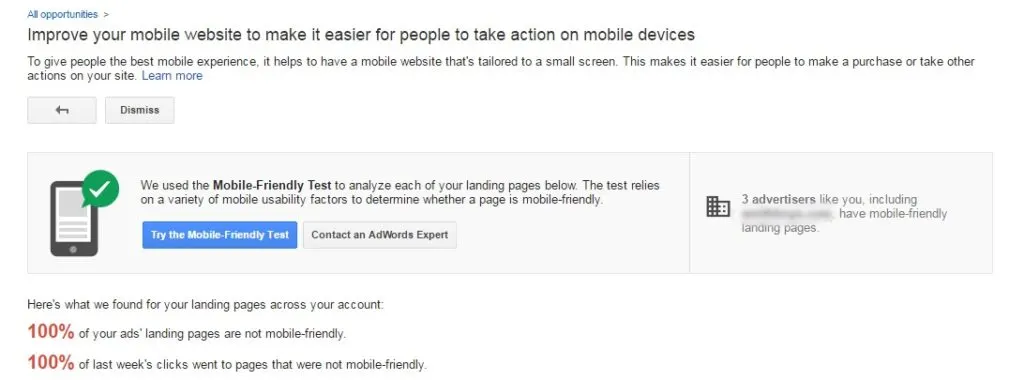
Over time, websites that are not mobile-friendly are expected not to have PPC ads displayed on Google’s mobile search results pages. In other words, if your website is not mobile-friendly, your PPC campaign will get fewer impressions, clicks and conversions. If your competitor is beating you with device-responsive pages, you could be losing a significant share of your audience. That makes the mobile experience of the site a web development priority before any budget increase.
“Our ad copy is great — don’t touch it.”
Even if there are different calls to action in ads targeting mobile and desktop traffic, it is time to review your copy. In February, Google removed right-side ads on desktop to increase consistency across devices. Later that year, Google introduced expanded text ads in Google Ads to provide more ad space so you can include more information about your product before a user clicks. These text ad sizes were optimized for the screen sizes of the most popular smartphones, and early tests reported click-through rate increases of up to 20% compared with the text ads in use at the time.
“There’s no way to prove online ads drive foot traffic.”
In the past, businesses had to take a leap of faith and rely on their online presence to drive in-store sales. Mobile-only copy with a specific CTA provides some data, but a lot of the conversion funnel is missing. Future developments could include Google using beacon-based technology to confirm store visits driven by a mobile ad. This additional data source would help improve targeting based on demographics, conversion time, and how many other locations were searched for or visited before the consumer completed their journey.
Where should you start?
There are many compelling reasons to prioritize your business’s visibility on mobile, and Google’s announcements only add to the urgency. It goes beyond just having an optimized site: it stretches from adding your phone number to a call extension to reevaluating your marketing goals in order to drive conversions.
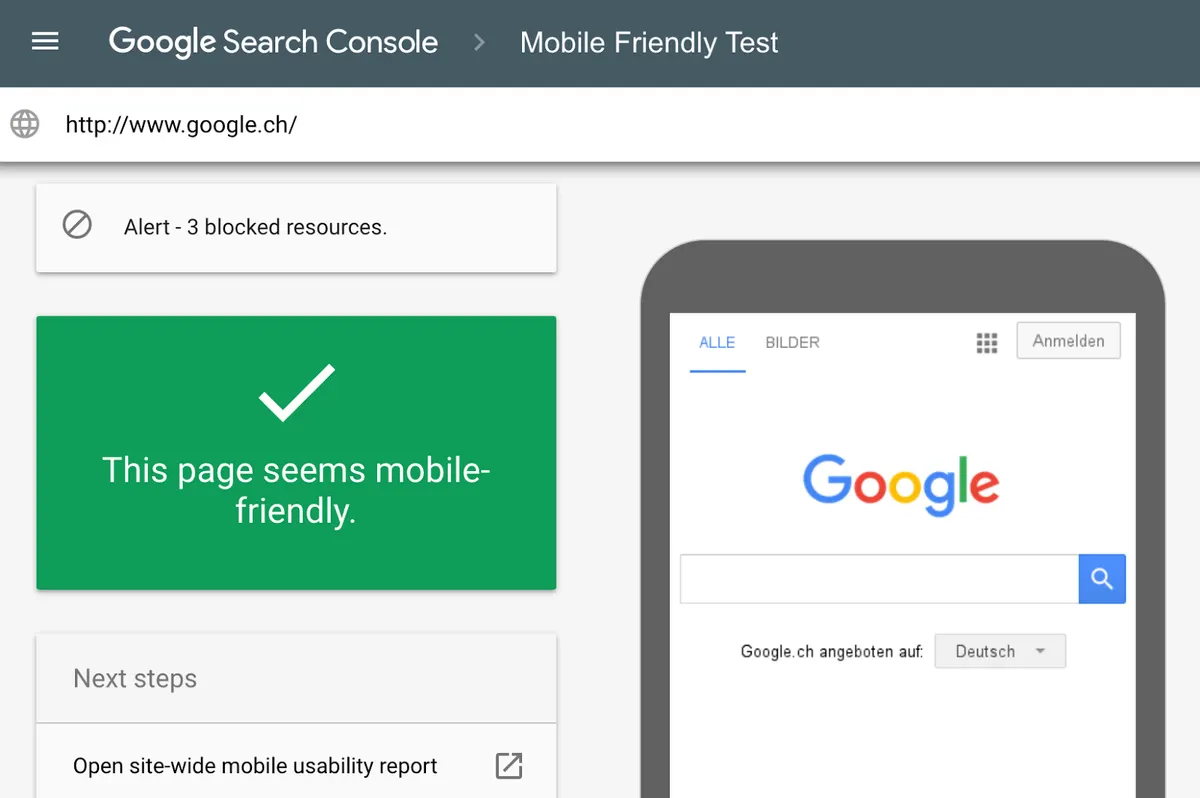
Not sure whether you are mobile-friendly? Start by running a mobile speed and usability check on your site. The results show clearly which technical issues need fixing before you increase the advertising budget.
Published: · Updated: · Author: Moon Workshop
Frequently Asked Questions
How does a site that is not mobile-friendly affect Google Ads performance?
Does ad copy need a separate review for mobile?
Can the contribution of online ads to store visits be measured?
Related Articles
- Google Ads3 min read
What Is PPC (Pay-Per-Click) and Why Is It Important?
What the pay-per-click model is, how fixed-rate and bid-based pricing differ, why keyword selection decides results, and the advantages of PPC.
- Google Ads6 min read
Benefits of Google Ads: 7 Reasons to Grow Your Business
The biggest benefit of Google Ads is that it works faster than SEO. Seven concrete advantages, from brand awareness and remarketing to measurement.
- Google Ads4 min read
How to Advertise on Google: A Step-by-Step Starter Guide
How the Google Ads auction works, how to structure an account, which campaign type to choose and what to check before launching your first campaign.