
SEM or SEO? Which Is More Effective in Digital Marketing?
SEM buys instant visibility with paid ads while SEO builds organic rankings over time. Their differences and when each one is the right choice.
Contents
SEM (Search Engine Marketing) is the practice of gaining visibility on search results pages through paid advertising, while SEO (Search Engine Optimization) is the work of ranking on those same pages organically. These two concepts come up constantly in digital marketing strategy, and they operate on different time scales: SEM produces results quickly, SEO compounds over time. So which is more effective, and what exactly separates them?
What is SEO and why does organic traffic matter?
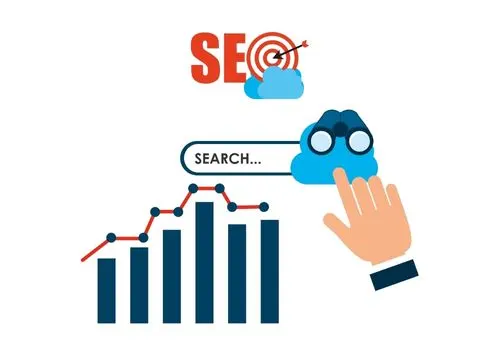
SEO is the body of work that makes websites more relevant and authoritative for specific keywords and queries by aligning them with search engine algorithms. Put differently, it is the practice of optimizing a site’s content, structure and technical elements to improve visibility and ranking in organic (free) search results.
Through SEO work, brands can attract organic traffic, improve user experience and hold leading positions in their sector using on-page and off-page optimization techniques.
What are the main advantages of SEO?
Long-term results. SEO work takes time, but once it succeeds the effect persists. A site with a solid SEO foundation can hold top positions in search results for an extended period.
Low cost. There is no per-click media cost for appearing in organic results, which makes SEO a more cost-effective strategy in the long run.
Improved user experience. The technical and content improvements needed to rank higher also have a direct positive effect on the on-site experience.
What is SEM and what do paid ads deliver?
SEM refers to the paid advertising campaigns that appear alongside organic search results. Campaigns targeted at specific keywords allow your website to reach more people.
SEM lets brands reach their target audiences quickly, increase brand visibility and drive immediate traffic to their websites. Its most common form is pay-per-click (PPC) advertising, where businesses bid on keywords to display their ads prominently on search engine results pages.
What are the main advantages of SEM?
Fast results. SEM campaigns produce visibility on the results page immediately. With the right keywords and budget management, clicks and conversions can follow quickly.
Controlled targeting. Advertising campaigns give far more direct access to the intended audience, with targeting by age, location, interests and similar criteria.
Flexibility. SEM is more controllable than SEO. Campaigns can be paused, edited and rebudgeted based on performance.
What are the differences between SEO and SEM?
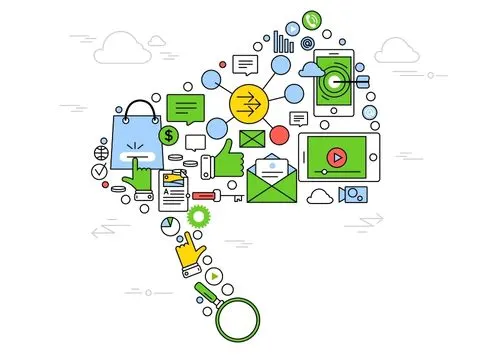
Cost. Sponsored advertising in search engines carries a direct cost; in SEM, advertising expense scales with your budget. SEO involves no per-click payment for organic placement, which creates a cost advantage over time.
Speed. One of the most fundamental differences is how long results take. SEO focuses on improving organic results and shows its effect over the long term, while SEM can generate traffic and conversions instantly through ads.
Visibility and continuity. With SEM, your brand is visible as long as the sponsored ads are running, and you get the traffic your budget buys. With SEO, once your content and site structure are strong enough, visibility continues without depending on an ad budget.
So which is more effective?
SEO and SEM are complements, not alternatives. How much weight each one receives depends on the company’s goals, budget and time frame.
When short-term traffic and data are needed, SEM leads. When the goal is durable visibility and a lower long-run cost per click, SEO takes over. Run together, conversion data from SEM campaigns can also help set content priorities for SEO work.
Getting value from either method requires knowing when to lean on which — and that starts with defining the goals clearly. If you want to review which balance fits your situation, you can reach us through our contact page.
Published: · Updated: · Author: Moon Workshop
Frequently Asked Questions
What is the core difference between SEM and SEO?
Which one produces results faster?
Is SEO really free?
Should both run at the same time?
Related Articles
- SEO & GEO7 min read
What Is GEO? A Guide to Generative Engine Optimization
GEO is the practice of making content citable inside AI answers. How generative engine optimization differs from SEO and how to measure it.
- SEO & GEO3 min read
How to Get Visibility Without Traffic in the Zero Click Era
Users now get answers on the results page itself. How featured snippets, local SEO and clear content build brand visibility without a single click.
- SEO & GEO3 min read
How to Do SEO Fast: Ways to Speed Up SEO Results
Speeding up SEO results takes strategy. Keyword selection, content updates, internal linking and on-page work all shorten the time to first results.