
Why You Should Use Google Ads: 5 Reasons
Five reasons to use Google Ads: search reach, intent-driven targeting, campaign control, flexible spend limits and formats for every funnel stage.
Contents
Google Ads is an intent-driven advertising platform that makes advertisers visible at the exact moment someone searches for a product or service. Every search on Google triggers an invisible auction that resolves in a fraction of a second, and behind that auction are advertisers competing for your click. Why compete so hard? Because Google Ads data shows that a click can end in a sale.
What are the benefits of Google Ads?
There is more than one answer to “why use Google Ads?” The most decisive ones are below.
1. How wide is Google’s reach?
Google has moved beyond being a brand and become a verb; “to google” is defined in the dictionary. The reason is simple: when people have a question they need answered, Google is usually their first stop.
Want to know whether there is a fix for that backache? Ask Google. Looking for a tool that makes collaboration on a landing page easier? Ask Google.
The search engine processes trillions of queries a year, with daily search volume measured in billions. Some of those searches are for problems your business can solve. If you can help someone find the answer — even through an ad — they are more likely to choose you over a competitor.
2. How flexible is the targeting?
With Google Ads there is something for every business and every potential customer at every stage of the buyer’s journey.
Bidding on broad keyword terms like “accounting software” exposes your ad to people in the earlier stages of product research and lets you fill the top of the funnel with two simple but effective techniques:
- Capture their information through your landing page and start sending informative content that demonstrates your expertise.
- If they do not convert, use retargeting to bring them back.
The second approach is bidding on long-tail keyword terms like “accounting software for freelance marketers.” These are usually cheaper and worth it for reaching exactly the people searching for that solution. People who type long, specific keyword strings often carry more intent — and in the pay-per-click model, that intent is what makes the audience valuable.
3. Why does search intent matter so much?
The biggest difference between the people you reach with Google Ads and the people you reach through other ad types is their intent.
On social media, people are not there to be advertised to. They are not looking for solutions to the problems that complicate their day; they are looking at their feed. When you advertise to someone who did not come to see ads, the message is less likely to land.
On the search network the situation is reversed: when your ad appears, it does not interrupt the browsing session — it helps the user find the answer they came for.
4. How much control do you have over campaigns?
Running ad campaigns that reached large audiences used to involve long processes and a lot of red tape. Starting and ending those campaigns consumed time and resources that could have gone elsewhere.
Programmatic buying changed that. A properly trained team member can start a campaign, stop it, reach the right people at the right price, and do all of it without leaving the account. That frees your resources and time for more pressing work.
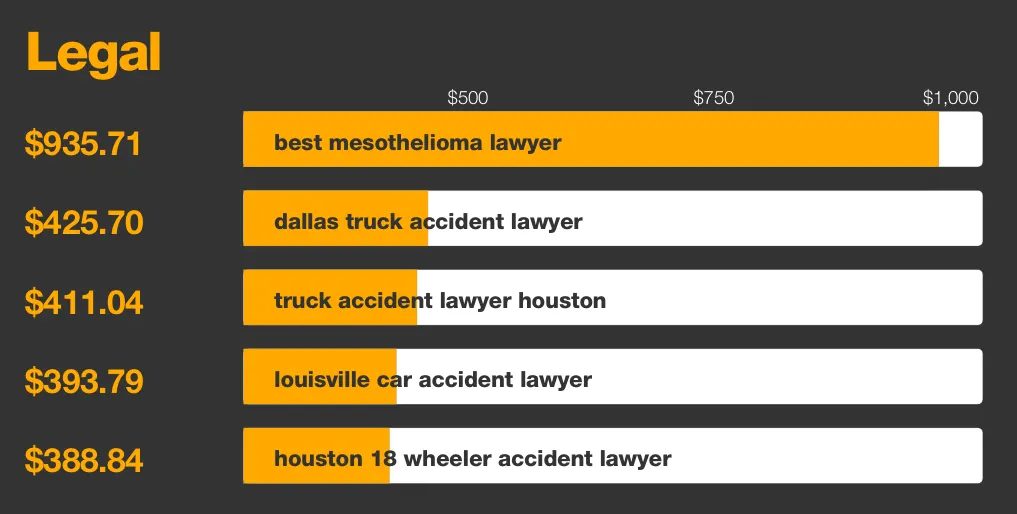
5. What budget do you need to start?
In some industries a single click is expensive; in highly competitive fields such as legal services, cost per click can run into the hundreds of dollars.
Most keywords, however, are nowhere near that level. On top of that, Google Ads lets you define limits on your daily budget and maximum bids. That way, even if you are not watching the account all day, you can be confident you will never spend more than you intended.
The takeaway: why Google Ads?
Against the question “why should I use Google Ads?” stands another one: why not?
The platform carries businesses of every size, with different budgets and different goals. What they share is an audience that turns to Google when it needs an answer. The most practical way to see how much of that search volume you can claim is to test it with a controlled budget.
Published: · Updated: · Author: Moon Workshop
Frequently Asked Questions
What separates Google Ads from social media advertising?
Can you run Google Ads on a small budget?
Should you bid on broad or long-tail keywords?
Related Articles
- Google Ads3 min read
What Is PPC (Pay-Per-Click) and Why Is It Important?
What the pay-per-click model is, how fixed-rate and bid-based pricing differ, why keyword selection decides results, and the advantages of PPC.
- Google Ads6 min read
Benefits of Google Ads: 7 Reasons to Grow Your Business
The biggest benefit of Google Ads is that it works faster than SEO. Seven concrete advantages, from brand awareness and remarketing to measurement.
- Google Ads4 min read
How to Advertise on Google: A Step-by-Step Starter Guide
How the Google Ads auction works, how to structure an account, which campaign type to choose and what to check before launching your first campaign.